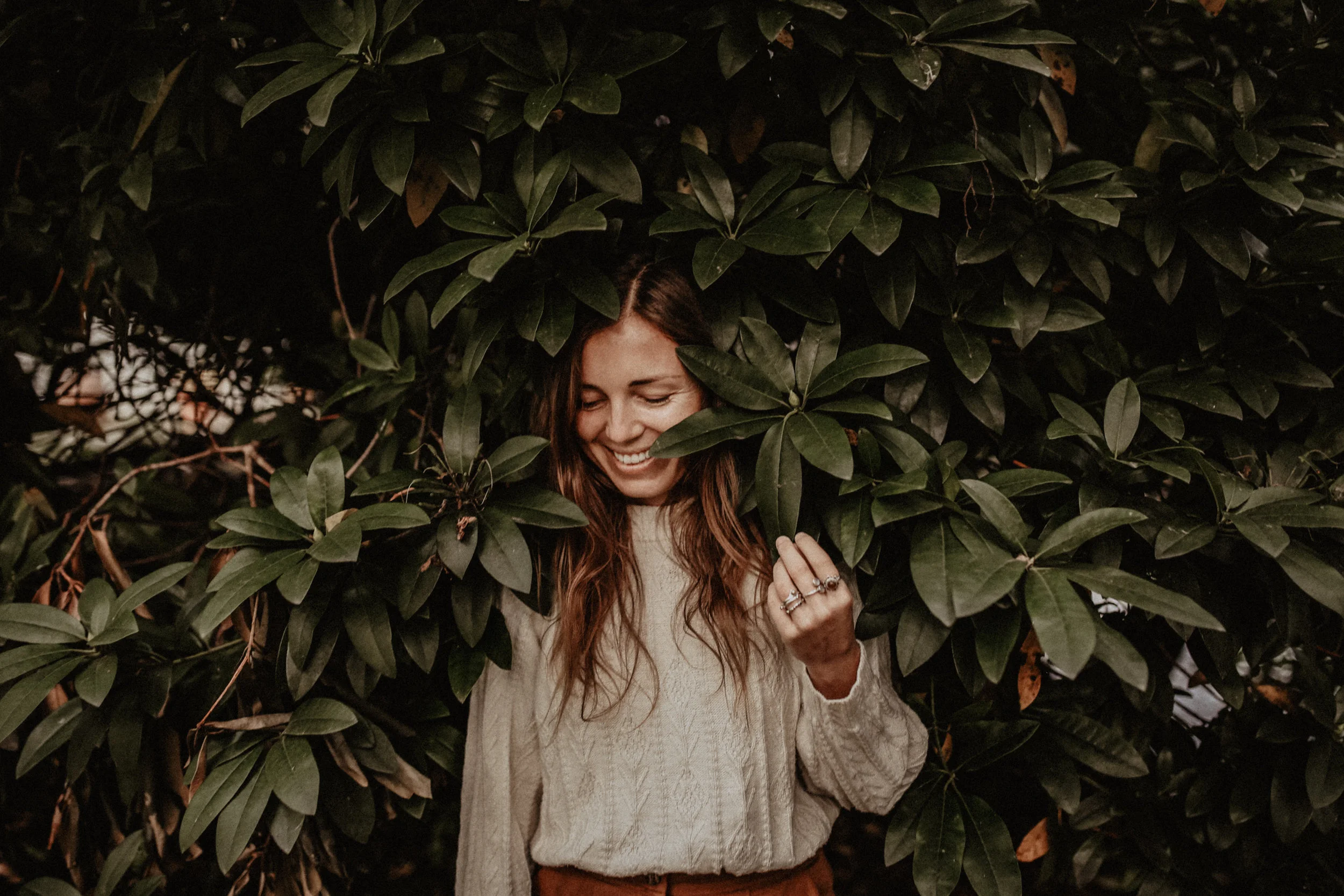
Meet Holly Rose.
Holly was born and raised in Winnipeg, Canada, but has spent nearly half her life now in Europe living in both London and Paris. Her husband and her just moved to a seaside town in England called Hastings. Holly is an environmentalist, soil advocate and writer. She tries to use her voice to enhance nature relatedness, by sharing informative and (sometimes) enchanting tales of regeneration, sacred ecology, scientific conservation, and rewilding though her online multimedia projects HollyRose.eco and GatherGrounded.eco (which is launching in January).
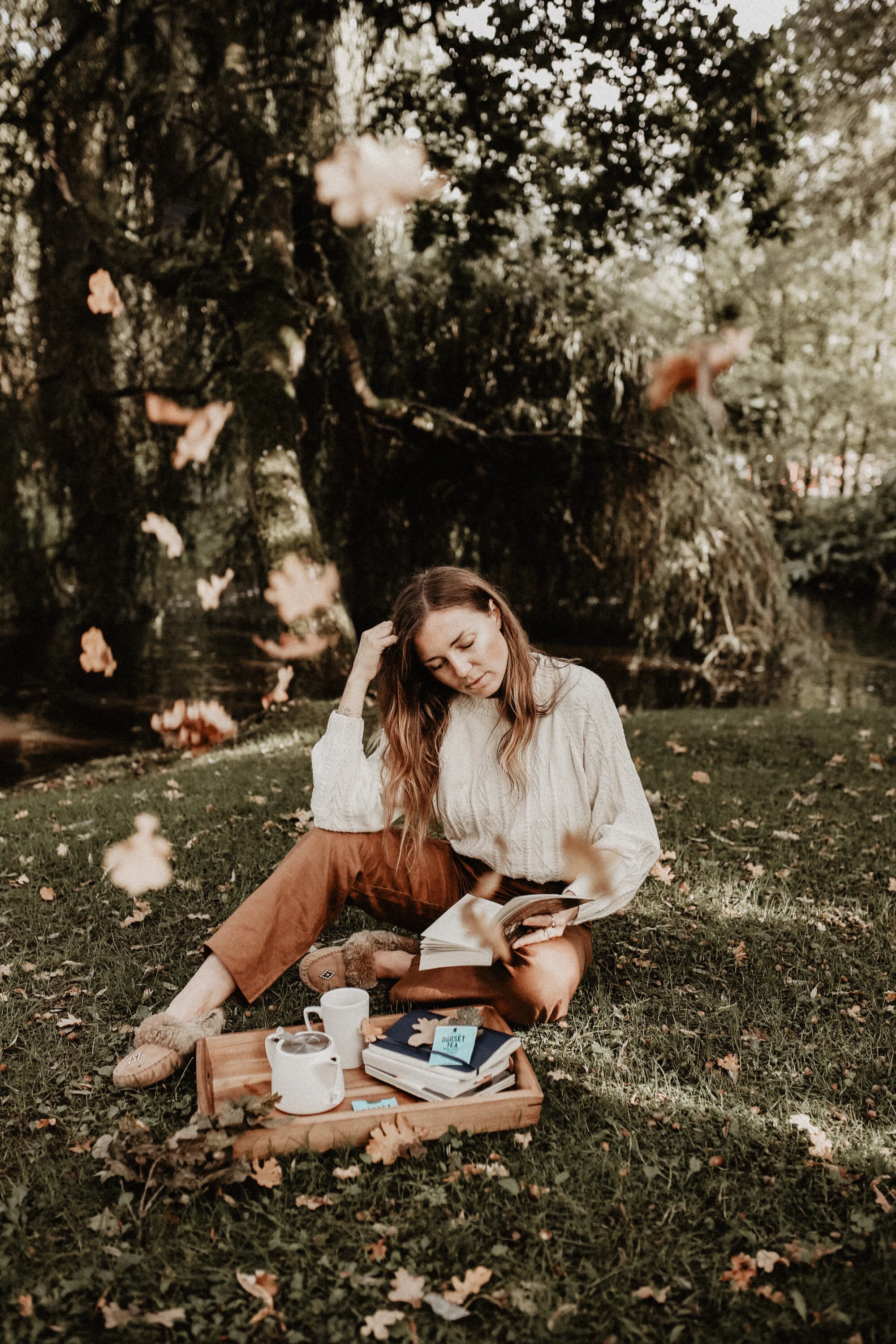
How did you get interested in environmental issues and regenerative agriculture?
My mother is an environmentalist and indigenous rights activist, so protecting the planet has always been a responsibility I understood belonged to our species. But in terms of blogging, I started covering sustainable switches on my blog with a 365-day series called '#GoneGreen2016', for which I wrote about the issues with the everyday objects we use and habits we have, as well as the sustainable solutions available. I realized, as I moved through sustainable fashion, zero waste, minimalism, plant-based eating, sustainable travel, that we couldn’t buy our way to a greener future. I started to understand we have to have some serious systems changes which need to come from both the top-down through intense political change, and the bottom-up through grassroots movements ... not from consumers who dwell in the in-between. At the same time, writing about all those issues had made me angry, frustrated and judgmental and I was living in a state of eco-anxiety. I realized that if I wasn’t enjoying writing about the issues and their so-called solutions, it probably wasn't enjoyable for my readers either. So for the collective mental health of those who read my work, and for myself too, I went looking for stories full of enchantment and driven by hope, making the conversation around climate breakdown approachable. A friend suggested Isabella Tree's book 'Wilding', which led me to Robin Kimmerer's book 'Braiding Sweetgrass', which led me to 'Sacred Ecology' by Fikret Berkes and finally 'Kiss The Ground' by Josh Tickell. I felt so inspired by the idea of creating communities built around regenerative reciprocity and became completely entranced and inspired by the possibility of reversing global heating and preventing climate breakdown through the idea of regeneration.
What is regenerative agriculture and why is it important?
There are huge issues with food sovereignty around the world, and the farming practices which are supported and promoted are degenerative, causing huge losses in topsoil where we grow our food. The sustainable model is one that allows us to use and abuse without complete destruction, which is a logical reaction to the degenerative model but just provides options to do less harm. Regenerative agriculture provides us with the tools to leave the planet better off for the fact that we've cultivated ingredients for our food, beauty or fashion products. Restoring and replacing more than we take, which is an act of love for the planet and its inhabitants, rather than an act of abuse. Simultaneously, this type of cultivation helps reverse global heating and prevent further climate breakdown, drawing carbon from its overpopulation in the atmosphere, back down into the soil where it belongs. Letting life beget life as intended.
How can people learn more about regenerative agriculture?
Kiss The Ground offers some incredible courses on Regenerative Agriculture (and culture, including sourcing, gardening, lifestyle and supply chains) online which for me have been completely transformative. There are also some great documentaries out like 2040 Film, The Need To Grow and Biggest Little Farm ... or you could read my blog HollyRose.eco
What can you do about it when you live in a city apartment?
Purchase your food from regenerative farms (Kiss The Ground has a great guide you can use HERE), purchase your fashion from regenerative brands (check out Fibershed's clothing guide HERE), compost, participate in or create a community garden, or just grow a window box full of flowers for the bees. The biggest act of love you can give to the earth is helping to cultivate life. Every act like that counts, no matter how small.
Learn more about Holly on these platforms:
Blogs: www.hollyrose.eco and www.gathergrounded.eco
Instagrams: www.instagram.com/hollyrose.eco and www.instagram.com/gathergrounded.eco