Kieran (Semi-Sustainable Man)

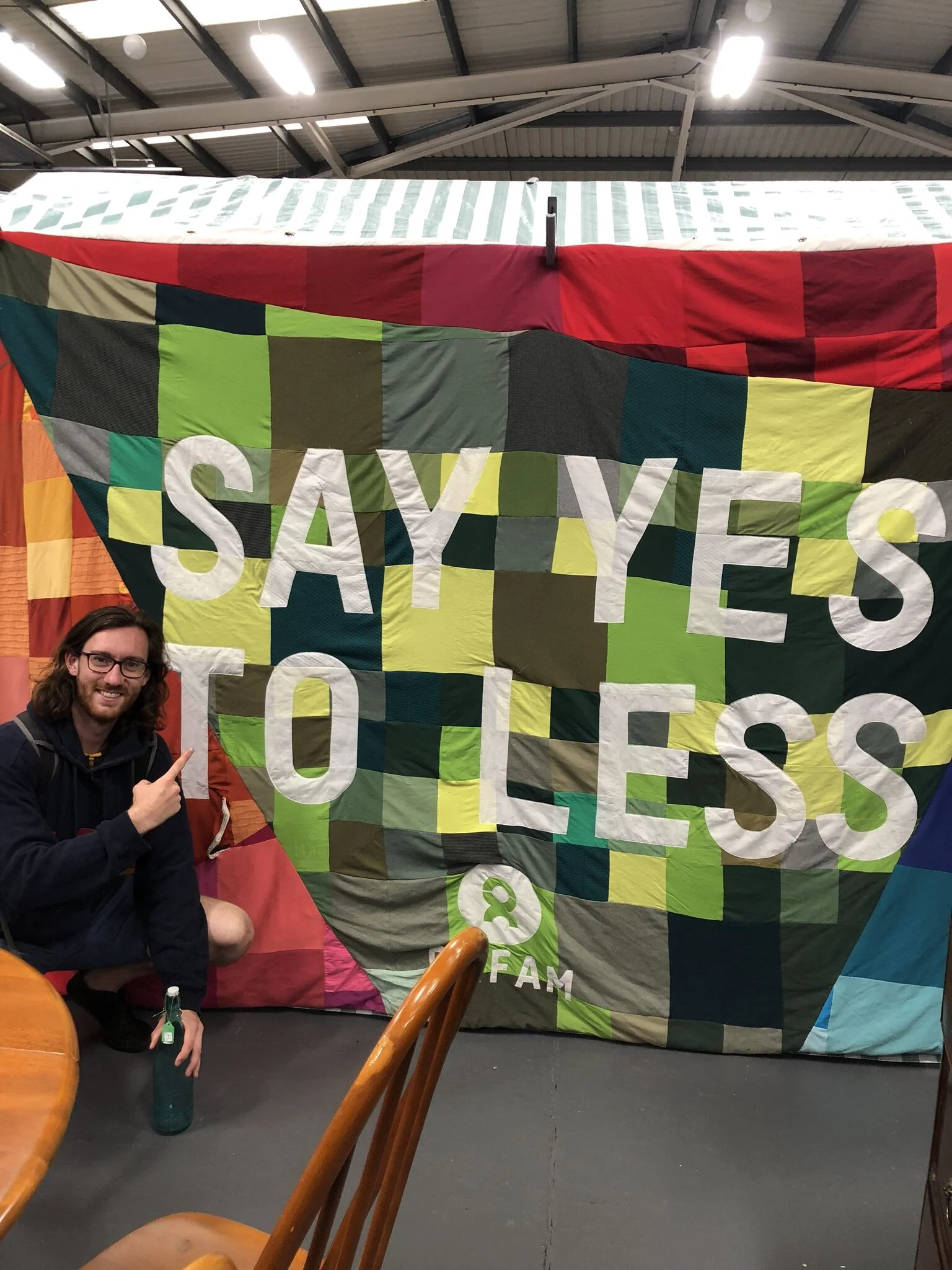
Kieran, 24 years old, currently works in the solar industry and has been sharing his journey trying to live a low impact lifestyle, for the past two years. He has been fortunate to travel and his experiences from that exposed him to plastic pollution, water shortages and other environmental impacts, which drove him to start acting more sustainably. Kieran feels a lack of connection to those around us, nature, and to the things we consume in our day to day life, which has resulted in us acting unconsciously. In his opinion, by raising awareness on the impacts of these things, we can start encouraging ourselves and others to act with more intention to have a greater positive impact.

How and why did environmental issues spark and interest?

When I was at school, there was a lecture at an event discussing ‘food, water and energy for the next 50 years’, and that got me interested in sustainability! I switched from applying for Geography and ended up studying Sustainability and Environmental management at the University of Leeds.

Even though I studied it, I wasn’t particularly sustainable in my actions and lifestyle. My first real realisation of this was when I was fortunate enough to go on along the coast of South Africa and saw the devastating impacts of plastic pollution first hand. This was happening in areas where the local people couldn’t have been contributing at this scale. It then made me realise that others actions were leading to this and that I was one of those people. This created awareness, the first real connection for me that my actions had consequences. This led me on the path towards finding ‘zero waste living’, doing a zero waste month challenge, and eventually it made me question my other actions, and ask “why should I expect other people to act if I studied this stuff and I’m doing nothing?”

Just because you learn or become more aware about a subject doesn’t make you a part of the solution, you have to live it. During this time, I was also reducing my meat consumption. 4 months later, I was vegetarian and six months after that, vegan. The latter choice being more for the animals. I have continued to make changes to my lifestyle to reduce my impact where possible. It is a continual journey of learning and I still have the rest of my life to go.


You are very passionate about mindfulness and intentional living. How did that start?

When I was younger, I would occasionally see my Dad meditate. Although it is not something we ever got the chance to discuss in depth, it has been on my radar since then and I am sure it has had some form of influence. I learned a bit about mindfulness at school and tried a bit at Uni but it was only in the past two years that mindfulness and intentional living have really kicked in.

Both mindfulness and intentional living went hand in hand when I realised that I had been living unconsciously in my actions, doing things because that’s what everyone else was doing and that is what society sort of expected. When I started associating actions with consequences, I became more intentional with my actions, to ensure I caused the least amount of harm and have the largest positive impact possible. After making that connection, I have just continued to become aware of different impacts of my life and how I could change them. I try to be mindful in as many aspects of my life as possible, as once we have an awareness for something we can start to change it. Being more conscious of the impacts of my actions and then more intentional with how I choose to act definitely led the way for this whole journey within sustainability.

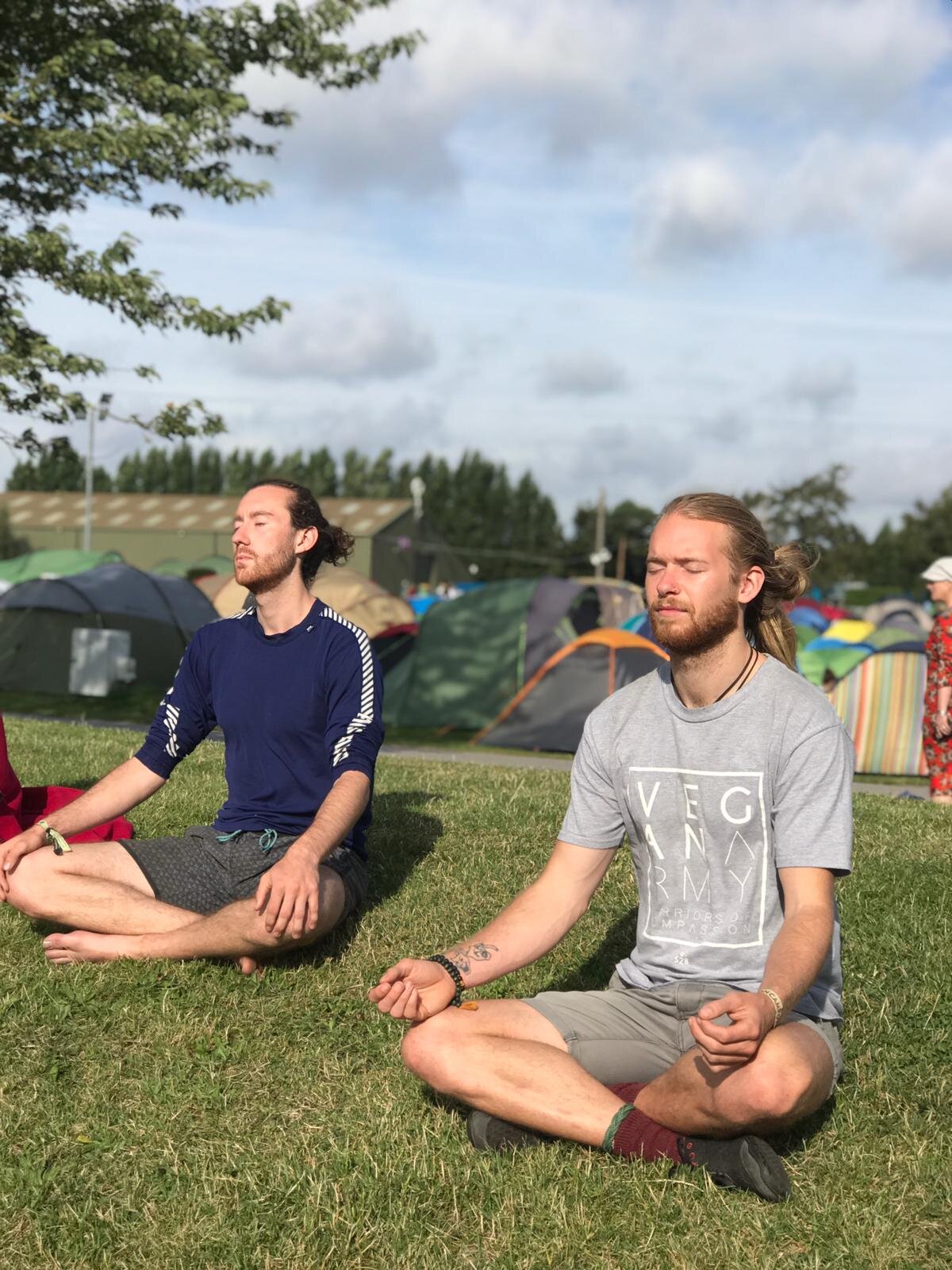
Incorporating meditation into my daily practice has definitely helped me more to reflect on my thoughts and actions. It has also allowed me to find a moment between thought and action, and question why I choose certain actions. This all started with 10 minute guided meditation sessions, and is now a daily practice. If you are interested in starting, the app I use is ‘Calm’, but there are plenty of things for free online.
 

Why do you think it’s important to practice mindfulness and live intentionally while doing activism?

On a personal level, it has brought more awareness to my actions, the activism I do and how I try to portray the messages I want to spread. It is important to be mindful of why we are doing what we are doing, and to be aware of how we can bring about the change we wish to see in ourselves, those around us and society as a whole. We must be mindful of the realities of the activism we do and recognise the different ways it can be perceived in order to understand different perspectives and try to reach out to those around us.

Activism encompasses many forms of action and this makes it an interesting topic to talk about, as different actions connect with different people. We must be mindful of the realities of the activism we do and recognise the different ways it can be perceived, to understand different perspectives and try to reach out to those around us.

We must also be mindful and compassionate in our approach to activism, remembering that we all started our journey somewhere. Early in my journey, and probably even at times today, I may not approach activism in the best way, but just continue to do your best and be open to learning. Recognise that not everyone has to do the same form of activism to spread the message you want to be a part of. The strength comes from our diversity in approaches. There are so many different forms of activism and they will appeal to different people. Find one you believe in and start doing that. No matter how small or big it feels, you are making a difference.
 

What advice would you give to fellow activists and environmentalists, in order for them to be more connected to themselves and avoid burning out?

To be more connected to ourselves, I would suggest questioning our actions. This doesn’t have to be all at once but, over time, looking at particular life areas, checking in how intentional the actions surrounding that are. Really understanding why we are doing what we are doing is important.

Meditation has really allowed me to be more considering in my approach to activism, but also allowed me to better understand myself, what drives me, how drained I am etc. Being able to tune into that is important, especially to know when to rest and recharge. We must listen and respect our body and mind, knowing when it is time to take a break. You can’t be active from a place of burn out and overdoing it consistently is not sustainable.

Surrounding yourself with like-minded people within your activism is important. Try to find a strong support network that you can talk to about all these things. Activism can be draining and it is important to have people around you who understand you and can support you.

Don’t think you have to be the activist who does everything. Know what you feel comfortable in doing and do that the best you can. Don’t let others shame you or make you feel bad for not doing enough. We aren’t all the same and we can be active in different ways.


Learn more about Kieran on these platforms:

Instagram: www.instagram.com/semisustainableman

Blog: www.theramblingsofasemi-sustainableman.co.uk

Youtube: www.youtube.com/channel/UCg9o46c027uf30LRfeWiU4A

Tik Tok: @semisustainableman

Holly Rose

Meet Holly Rose.

Holly was born and raised in Winnipeg, Canada, but has spent nearly half her life now in Europe living in both London and Paris. Her husband and her just moved to a seaside town in England called Hastings. Holly is an environmentalist, soil advocate and writer. She tries to use her voice to enhance nature relatedness, by sharing informative and (sometimes) enchanting tales of regeneration, sacred ecology, scientific conservation, and rewilding though her online multimedia projects HollyRose.eco and GatherGrounded.eco (which is launching in January).

How did you get interested in environmental issues and regenerative agriculture?

My mother is an environmentalist and indigenous rights activist, so protecting the planet has always been a responsibility I understood belonged to our species. But in terms of blogging, I started covering sustainable switches on my blog with a 365-day series called '#GoneGreen2016', for which I wrote about the issues with the everyday objects we use and habits we have, as well as the sustainable solutions available. I realized, as I moved through sustainable fashion, zero waste, minimalism, plant-based eating, sustainable travel, that we couldn’t buy our way to a greener future. I started to understand we have to have some serious systems changes which need to come from both the top-down through intense political change, and the bottom-up through grassroots movements ... not from consumers who dwell in the in-between. At the same time, writing about all those issues had made me angry, frustrated and judgmental and I was living in a state of eco-anxiety. I realized that if I wasn’t enjoying writing about the issues and their so-called solutions, it probably wasn't enjoyable for my readers either. So for the collective mental health of those who read my work, and for myself too, I went looking for stories full of enchantment and driven by hope, making the conversation around climate breakdown approachable. A friend suggested Isabella Tree's book 'Wilding', which led me to Robin Kimmerer's book 'Braiding Sweetgrass', which led me to 'Sacred Ecology' by Fikret Berkes and finally 'Kiss The Ground' by Josh Tickell. I felt so inspired by the idea of creating communities built around regenerative reciprocity and became completely entranced and inspired by the possibility of reversing global heating and preventing climate breakdown through the idea of regeneration.

What is regenerative agriculture and why is it important?

There are huge issues with food sovereignty around the world, and the farming practices which are supported and promoted are degenerative, causing huge losses in topsoil where we grow our food. The sustainable model is one that allows us to use and abuse without complete destruction, which is a logical reaction to the degenerative model but just provides options to do less harm. Regenerative agriculture provides us with the tools to leave the planet better off for the fact that we've cultivated ingredients for our food, beauty or fashion products. Restoring and replacing more than we take, which is an act of love for the planet and its inhabitants, rather than an act of abuse. Simultaneously, this type of cultivation helps reverse global heating and prevent further climate breakdown, drawing carbon from its overpopulation in the atmosphere, back down into the soil where it belongs. Letting life beget life as intended.

How can people learn more about regenerative agriculture?

Kiss The Ground offers some incredible courses on Regenerative Agriculture (and culture, including sourcing, gardening, lifestyle and supply chains) online which for me have been completely transformative. There are also some great documentaries out like 2040 Film, The Need To Grow and Biggest Little Farm ... or you could read my blog HollyRose.eco

What can you do about it when you live in a city apartment?

Purchase your food from regenerative farms (Kiss The Ground has a great guide you can use HERE), purchase your fashion from regenerative brands (check out Fibershed's clothing guide HERE), compost, participate in or create a community garden, or just grow a window box full of flowers for the bees. The biggest act of love you can give to the earth is helping to cultivate life. Every act like that counts, no matter how small.

Learn more about Holly on these platforms:

Blogs: www.hollyrose.eco and www.gathergrounded.eco

Instagrams: www.instagram.com/hollyrose.eco and www.instagram.com/gathergrounded.eco

Chloe (The Green Monki)

Chloe is a French environmental activist who lives in Brussels, Belgium. Not only does she work as a sustainability consultant and campaigner, but she also started her own educational NGO called the Green Seeds Project and is the coordinator of Fashion Revolution Belgium. Chloe is very knowledgeable when it comes to ethical and sustainable fashion, which is why I decided to ask her questions on the topic.

What are your main tips to shop ethically and sustainably, and why?


The best thing to do is wear what you already have, fall back in love with it. If you need something specific, borrow from friends. If you need to buy, buy second hand. If you can’t find it second hand, go for clothes that are high quality and will last a very long time.

I highly suggest going for natural fibres. But natural fibres also have some issues: cotton, for instance, is the crop that requires the most water in the world, and one fourth of all pesticides are used for cotton growing. Organic cotton is better but still requires as much water. It is definitely not the ideal solution, but at least it is a natural fibre. The reason why natural fibres should be prioritised over synthetic ones, is that synthetic fibres are made out of plastic. So, not only are materials like polyester made from oil, which requires very intensive production processes, but it also releases incredible amounts of micro-plastics during the washing process. Micro-plastics from synthetic fibres shed and go into our waters and are known to be one of the primary sources of plastic in the oceans.

Other natural fibres also have their downsides. For example, bamboo require a very chemically intensive process to be turned into fabric.

The thing is, every material has it pros and cons. Nowadays, researches are being made on regenerative fibres, such as seaweed. More information here: https://www.the-sustainable-fashion-collective.com/2017/05/11/new-sustainable-seaweed-fabric-seacell/

 The best thing you ca do, to make the best choices, is doing your research. If you don’t have time for it, go for second hand, it will always be the most sustainable option when you need to buy something.

And finally, it is also important to try and choose clothes that are 100% of one fibre, whenever possible. Only 15% of clothes are recycled, because when different materials are mixed together, it is very complicated and expensive to separate the fibres in order to recycle them.


How do you know if a brand is really sustainable and ethical, or if it is greenwashing?


If you have suspicions, chances are it is greenwashing. A brand that isn’t greenwashing will be transparent about it. It won’t be complicated to find information about their production process. Many brands will make big claims with no evidence to back them up. Also, keep in mind that some brands are ethical but not sustainable, and the other way around.

Fashion is very confusing because the labels are very poorly done. Ideally, one day we will have one label that will say if a product is ethical and sustainable but, until then, it will stay hard to navigate.


What are other alternatives?


Renting clothes is a great option, and it is becoming more and more popular. At least 100 billion new clothes are produced every year. It is crucial that we start becoming less into possessions, and start renting and borrowing instead of buying.


What do you think are the main issues we should tackle, when it comes to fast fashion?


We should try to get out of the temporary trends, which is hard because of the marketing around it. Ads are really pushing products onto us. Social media also plays a huge part in this because influencers have very highly paid partnerships with fast fashion brands, they wear different clothes on all photos, and it makes it feel like it’s normal and almost required to change outfits every day.

The main issue is overproduction and overconsumption. We need to go towards something slower. Buying the same amount of clothes but ethical and sustainable isn’t the solution. We need to buy less and learn to enjoy and value what we already possess.

Finally, there is also a real issue of inclusivity: most of the time, sustainable and ethical fashion is very expensive. It’s hard to tell someone who’s struggling to make ends meet, to buy a 50€ t-shirt from an ethical and sustainable brand, rather than a 5€ t-shirt from H&M. We have to meet people where they are.

It is still a long road ahead, but we can do it.


Learn more about Chloe on these platforms:

Instagram: https://www.instagram.com/thegreenmonki/

The Green Seeds Project: https://www.thegreenseedsproject.com/

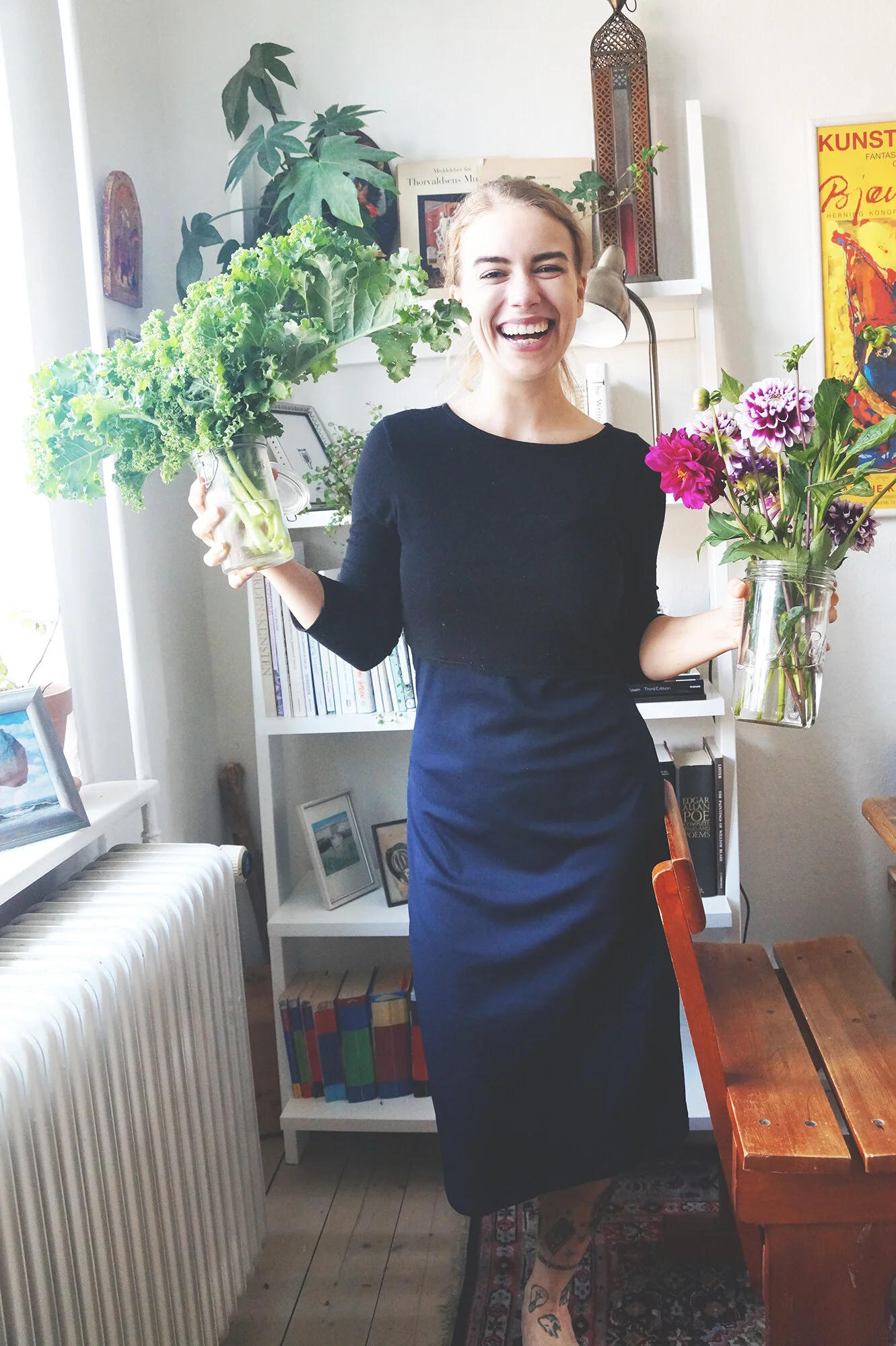
Gittemary

Meet Gittemary, a 25 years old sustainability influencer and activist from Aalborg, Denmark. Gittemary started her Zero Waste journey in 2015. She had never wondered what happened to her waste after throwing it in the bin, until she read an article about how every piece of plastic ever produced still exists in some shape or form. It  made her take a look at all the plastic she used in her everyday life, and that’s when she knew she had to change something. She then started a blog about Zero Waste, which led her to writing articles, books, creating Youtube videos and giving lectures.

When and how did you get to this lifestyle?


I came to Zero Waste step by step. Usually, when we want to dive into a new lifestyle, whatever it may be (fitness, food…) we like to go out and buy tons of things for it, but you can’t really do that with Zero Waste. So I looked at my possessions, and every time I needed to buy or replace something, I would look for a sustainable alternative instead of buying the thing I was used to. Little by little, I eliminated plastic waste and plastic products from my apartment and from my life.


Why do you think environmental issues are becoming more mainstream?

I think it’s getting more well spread because we are just now starting to see, in our backyards, the consequences of our consumption of goods. For a very long time, people in the production countries, which are developing countries, have been able to see that because that’s where the pollution was. But it is now reaching us too and affects people a lot, which is why I think the sustainability discourse is gaining so much momentum right now. 

You live in a small town in the north of Denmark. How to you manage to live this Zero Waste lifestyle without access to bulk stores?


A lot of people don’t have access to bulk because they live in smaller countries or towns, or less “fashionable” areas. But there are a lot of things you can do to reduce your waste without access to bulk stores. Try to focus on what you can do instead of what you can’t do. Avoiding plastic bags, aluminium foil, cling wrap… and finding alternatives to them is a great way to get started. You can also buy things packed in cardboard, glass or tins instead of plastic, going from store to store to see what they offer, what kind of produce is sold loose, and compare the prices. I usually go to 2 or 3 grocery stores instead of just one. I also build my diet around the seasons, because seasonal produce is usually sold without packaging, is cheaper, more nutritious and doesn’t need to be shipped from far away.

For dried goods, looking in different grocery stores, it is usually easy to find pasta, rice, etc in cardboard instead of plastic, but if you cannot, you can also make your own pasta, which is very easy and kind of a treat! I love making my own pasta! (find Gittemary’s fresh vegan pasta recipe here).

And when it comes to non-food products, look at what you use every day. Cotton pads, dish brush, the way you do laundry… See if you can find alternatives to common practices, because nowadays it’s quite easy with the internet to look up sustainable tips that you can use.


What do you think are the main things to tackle when you want to start living a more sustainable lifestyle?

I think that Zero Waste is just one pillar. It’s a great tool, but we need to look at more things than just the trash we put in our bins. Although that trash is very important, we also need to look at the trash that doesn’t make it into our bins, what goes behind the production of our items.

Looking at fast fashion, for instance, is very essential, and one thing you can do there is going for second hand instead of new.

Looking at the way we eat and switching to a more plant-based diet is also essential. I think that going vegan cuts your carbon emissions in half, which is definitely saying something. Even though you can technically eat meat without producing any trash for your bin, there is still a lot of impact behind that so, once again, we need to look at more than just the plastic in our bins.

It’s an overall lifestyle concept. It might seem like a lot to tackle at once and it can be very overwhelming and daunting, but doing it little by little is not actually that bad.


Learn more about Gittemary on these platforms:

Youtube: https://www.youtube.com/gittemary

Blog: http://www.gittemary.com/

Instagram: https://www.instagram.com/gittemary/

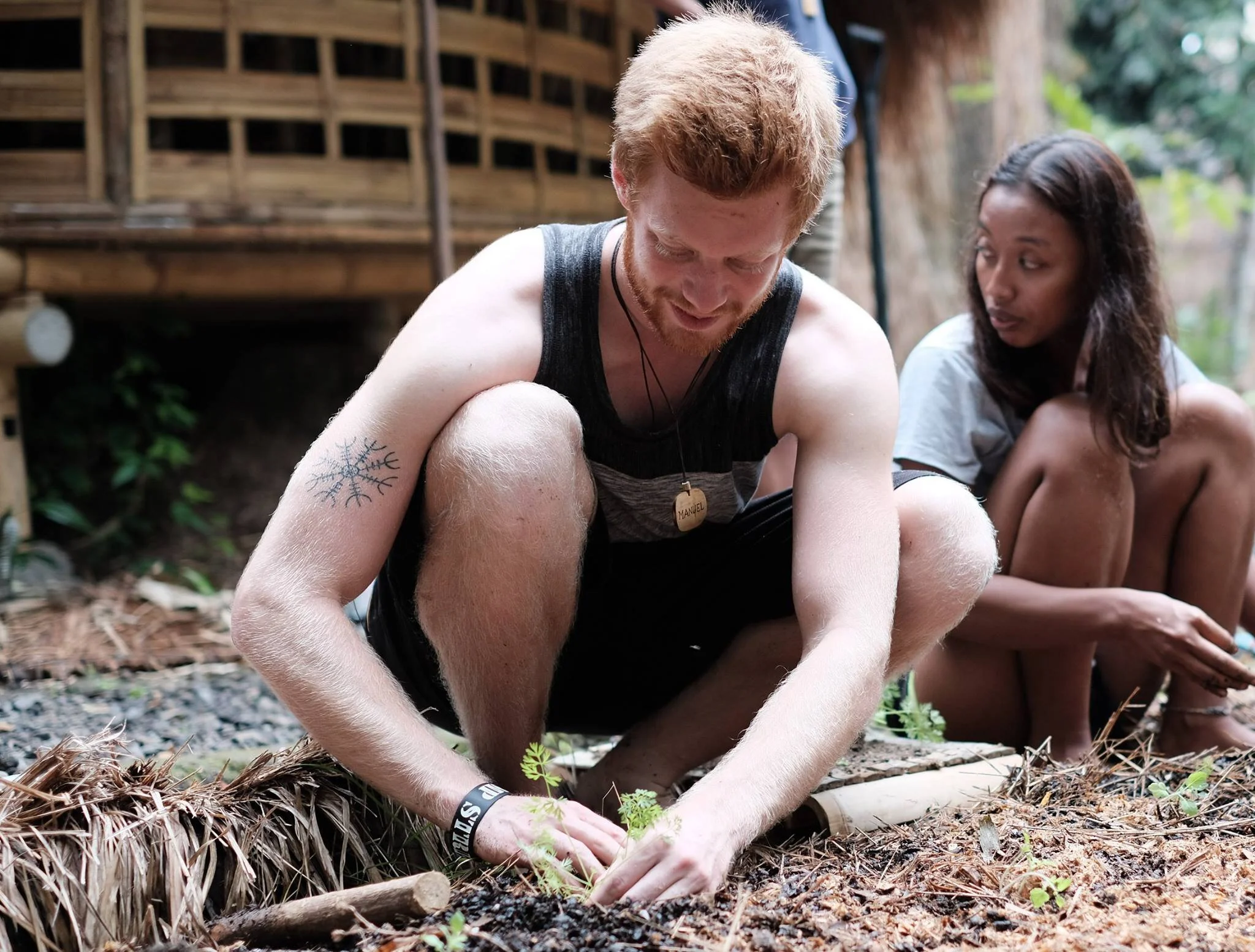
Manuel Bergmann

Meet Manuel Bergmann, a 23 years old activist from Germany.

Manuel has been living in Bali for the past 2 years. A few years ago, while working as a fitness instructor, he felt the need to try something new and started traveling. He ended up volunteering in Africa, which made him appreciate the small things in life and want to contribute to making our world a better place. He then heard about a holistic school in Bali, called Green School, and immediately signed up for a workshop that completely opened his eyes to our current environmental situation. Quickly, he fell in love with the island and decided to stay, interning at Green School for 1 year. That is how he started learning about climate change, made the switch to a more sustainable lifestyle and made it his mission to inspire others to do the same, through social media.

Manuel is also the founder of Coaching for Cause, a platform that helps people live a more sustainable lifestyle while giving back to environmental NGO’s. Check it out here: https://coachingforcause.com/


Manuel, you’ve been very active and vocal on social media about climate change, but how did you start caring?


The workshop I first attended at Green School, in Bali, switched my mindset to a more sustainable lifestyle. I started by slowly drifting towards zero waste, refusing single use straws, not buying plastic bottles, etc. Step by step, I became more and more sustainable, learned about fast fashion, veganism, palm oil… The more I was changing, the more I was realising there was a lot more to learn and change. I am still on the journey and I love inspiring others to do the same. I want to be part of the solution, not the problem.


How are you raising awareness in Bali?


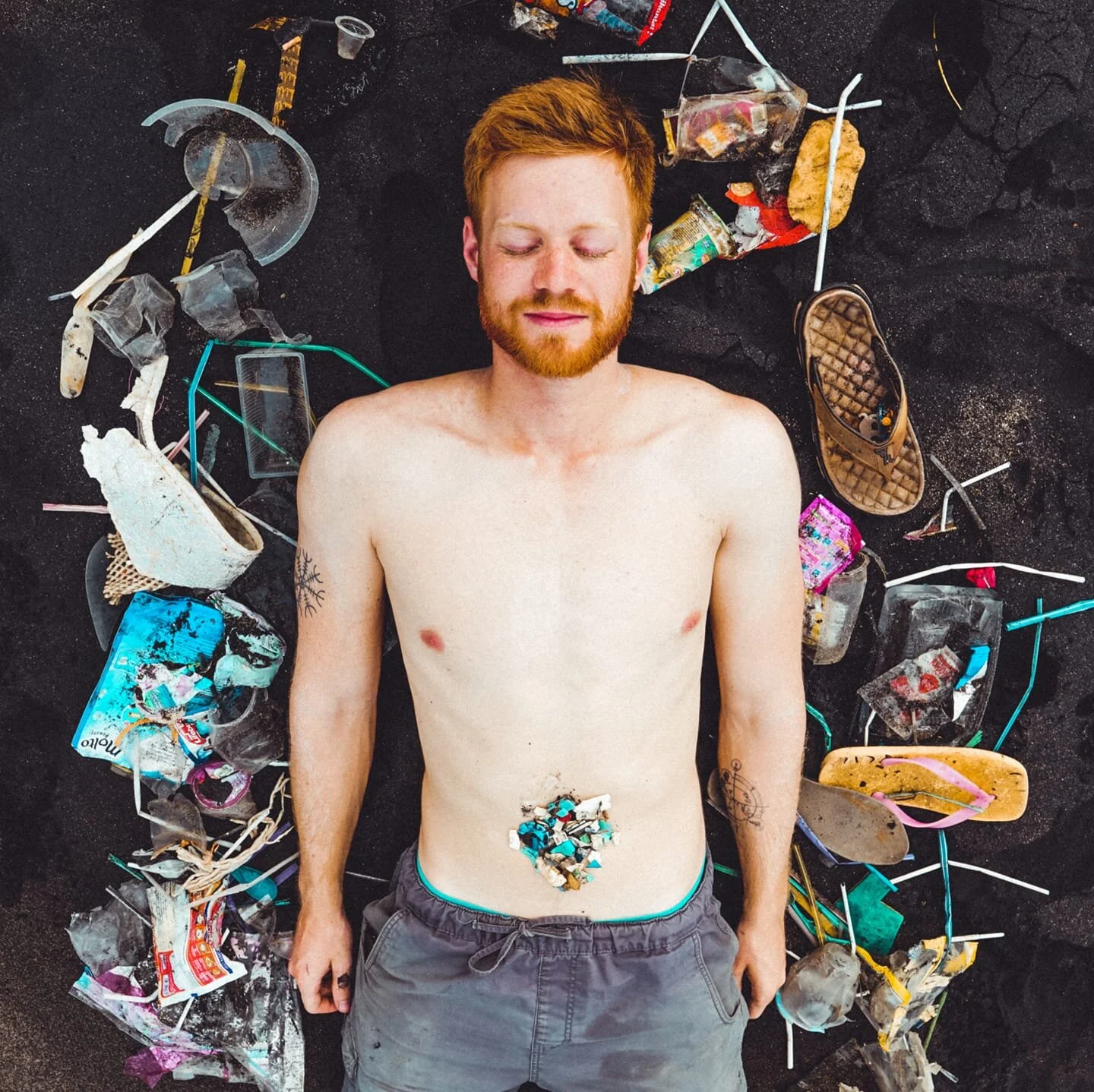
I take a lot of photos of pollution, give talks... I recently started a sustainability coaching platform called Coaching For Cause, where I collaborate with sustainability influencers and coaches to help people on their eco-journeys. 30% of the benefits go to environmental NGOs, some of which are based in Bali. This allows me to go and visit them, create content for them and support them on their journey to raise awareness and money. I also create videos on waste reduction and sustainable tourism. I’ve realised that people are not aware of the waste issue when they come on holiday to Bali. They don’t know that when they order a coconut on the beach, the trash ends up in the oceans. I want to change this.


What are the challenges you are facing in Bali?


Trash burning. That’s the #1 issue here in Bali. A lot of people burn their waste because there isn’t a good waste management system. People have to pay if they want their trash to be disposed of properly, so if they can’t afford it, they burn it, which emits a lot of harmful chemicals. People also sometimes throw their waste in their backyard, but during the rainy season, it all gets washed into the ocean. There is a huge lack of awareness on the island and in the country in general.


What do you think are the biggest differences between Bali and Europe?


The Bali philosophy is all about harmony with nature, but yet, there is no connection with trash. You can’t tell people not to burn their waste without providing another solution. There is a recycling centre, but it charges amounts of money that locals can’t afford. And most Westerners don’t think about their ecological footprint when they’re in Bali or in any other holiday destination. A lot of people don’t know where their waste goes. They think if they put something in the bin, it will magically disappear but have no idea it will actually end up in the ocean or get burned.


What are your tips for people who would like to raise awareness in developing countries like you do?


Get started. Try your best. Take pictures and videos to document the reality. People think Bali is just this beautiful and perfect island, but the trash and pollution isn’t really portrayed, the reality is hidden. Choose a topic that interests you, like poverty, pollution, marine life or else, visit NGOs and offer them your help, create content for them, fundraise…


Why do you think it’s important to raise awareness in developing countries?


It is important to raise awareness in developing countries because we’re in a state of climate crisis. We don’t have much time and should all come together to raise awareness and help make the world a better place. If everyone does a little bit, we can make a big difference together. That’s what I try to portray with the community signs I regularly post on my Instagram. People in developing countries are the first to suffer from climate change, while they are the ones that contribute the least to it. It is not fair.

Learn more about Manuel on these platforms:

Instagram: https://www.instagram.com/manuelbergmann/

Coaching For Cause: https://coachingforcause.com/